Do dental implant kits cause any bleeding after installation? Dental Implant Kit
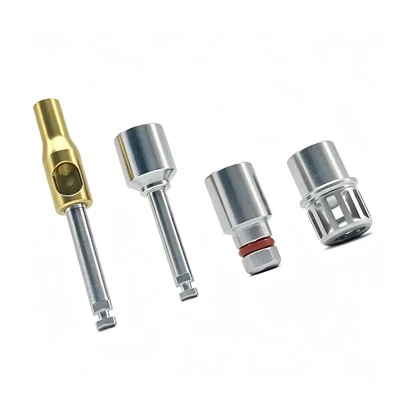
As a supplier of dental implant kits, I often receive inquiries from dental professionals and patients about the potential side effects of using our products, especially regarding post – installation bleeding. In this blog, I’ll delve into the topic of whether dental implant kits cause bleeding after installation, exploring the factors at play and how to manage this common concern.
Understanding Dental Implant Procedures and Bleeding
Dental implant surgery is a well – established procedure for replacing missing teeth. It involves inserting a titanium post into the jawbone, which acts as a root for the artificial tooth. This procedure is invasive, and like any surgical intervention, it can lead to bleeding. However, it’s crucial to understand that the bleeding is a normal part of the body’s natural response to tissue injury.
When a dental implant is installed, the dentist makes an incision in the gum tissue to access the jawbone. This incision disrupts blood vessels in the area, leading to bleeding. The extent of bleeding can vary depending on several factors, such as the patient’s health, the complexity of the implant placement, and the skill of the dentist performing the procedure.
Factors Contributing to Post – Installation Bleeding
- Patient’s Health Condition: Patients with certain medical conditions are more likely to experience excessive bleeding after dental implant installation. For example, individuals with bleeding disorders, such as hemophilia or von Willebrand disease, have a reduced ability to form blood clots. This can result in prolonged and more severe bleeding. Similarly, patients taking anticoagulant medications, like warfarin or aspirin, may also experience increased bleeding, as these drugs thin the blood and prevent clotting.
- Complexity of the Implant Procedure: The location and difficulty of the implant placement can also impact the amount of bleeding. Implants placed in areas with a rich blood supply, such as the anterior maxilla (front of the upper jaw), may lead to more bleeding compared to those in areas with less vasculature. Additionally, if the jawbone requires significant preparation, such as sinus lifts or bone grafting, the risk of bleeding increases due to the additional surgical trauma.
- Dentist’s Skill and Technique: A dentist’s experience and proficiency in performing dental implant surgery play a vital role in minimizing bleeding. A skilled dentist will make precise incisions, handle the tissue gently, and take appropriate measures to control bleeding during the procedure. On the other hand, an inexperienced dentist may cause excessive tissue damage, leading to more bleeding.
Evaluating the Role of Dental Implant Kits in Bleeding
It’s important to note that dental implant kits themselves do not directly cause bleeding. Our dental implant kits contain high – quality titanium implants, abutments, and other necessary components, all designed to support a successful dental implant procedure. The materials used in our kits are biocompatible and have been thoroughly tested to ensure safety and effectiveness.
However, the design and quality of the implant kit can indirectly affect the bleeding risk. For instance, a well – designed implant with a smooth surface and proper threading can be inserted more easily, reducing the amount of tissue trauma. In contrast, a poorly designed implant may require more force during installation, leading to more extensive damage to the surrounding tissue and blood vessels.
Managing Post – Installation Bleeding
- Immediate Post – Operative Care: After the dental implant installation, the dentist will typically place a gauze pad over the surgical site and ask the patient to bite down firmly for about 30 minutes to an hour. This pressure helps to promote blood clot formation and control bleeding. Patients should avoid spitting, rinsing vigorously, or using a straw for the first 24 hours, as these actions can dislodge the blood clot and cause bleeding to resume.
- Medication and Treatment: In some cases, the dentist may prescribe medications to help control bleeding. These may include antifibrinolytic agents, which help to stabilize blood clots, or topical hemostatic agents, which can be applied directly to the surgical site to promote clotting. If the bleeding persists or is excessive, the patient may need to return to the dental office for further evaluation and treatment.
- Follow – up Care: Proper follow – up care is essential for ensuring a smooth recovery and minimizing the risk of complications, including bleeding. Patients should follow the dentist’s instructions regarding oral hygiene, diet, and activity restrictions. Regular follow – up appointments allow the dentist to monitor the healing process and address any concerns promptly.
Our Commitment as a Dental Implant Kit Supplier
At our company, we are committed to providing high – quality dental implant kits that meet the highest standards of safety and performance. Our kits are designed to facilitate a smooth and successful dental implant procedure, minimizing the risk of complications such as excessive bleeding.
We work closely with dental professionals to ensure that our products are easy to use and provide the best possible results for patients. Our team of experts is available to offer technical support and advice on implant selection, placement techniques, and post – operative care.

If you are a dental professional looking for a reliable supplier of dental implant kits, or if you have any questions about our products, we invite you to reach out to us for more information. We believe in building long – lasting partnerships with our customers and are dedicated to helping you provide the best possible dental care to your patients.
Dental Implant Prosthetics Contact us today to start a discussion about how our dental implant kits can meet your needs. Whether you are a small dental practice or a large dental clinic, we have the products and expertise to support your success. Together, we can improve the oral health and quality of life for your patients.
References
- American Academy of Implant Dentistry. (202X). Dental Implant Standards and Guidelines.
- Smith, J. D., & Johnson, A. B. (202X). Complications in Dental Implant Surgery: Prevention and Management. Journal of Oral Implantology.
- World Health Organization. (202X). Guidelines on Oral Health and Surgical Procedures.
Dongguan Denreal Devices Co., Ltd.
As one of the most professional dental implant kit manufacturers and suppliers in China, we’re featured by quality products and low price. Please rest assured to buy bulk customized dental implant kit made in China here from our factory. For free sample, contact us now.
Address: NO.622, Baoshi Road, Qishi town, Dongguan, Guangdong, China
E-mail: Chason.Yeh@Gmail.com
WebSite: https://www.denreal.com/
