What is the lifespan of a hydrogen station?
As a supplier in the hydrogen station industry, I’ve witnessed firsthand the rapid growth and evolution of this sector. One of the most frequently asked questions among potential investors, operators, and stakeholders is about the lifespan of a hydrogen station. In this blog, I’ll delve into the factors that influence a hydrogen station’s lifespan, typical lifespan expectations, and how proper planning and maintenance can extend its operational life. Hydrogen Station
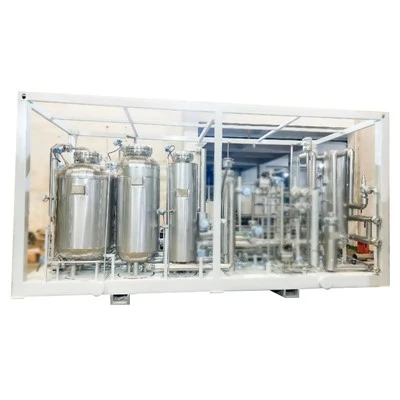
Factors Affecting the Lifespan of a Hydrogen Station
Equipment Quality and Durability
The heart of any hydrogen station lies in its equipment. High – quality compressors, storage tanks, dispensers, and control systems are designed to withstand the demanding conditions of hydrogen handling. Materials used in these components play a crucial role. For instance, hydrogen – compatible alloys are used in storage tanks to prevent hydrogen embrittlement, a phenomenon where hydrogen atoms diffuse into the metal lattice, reducing its strength and ductility.
Compressors, which are responsible for increasing the pressure of hydrogen for storage and dispensing, can experience significant wear and tear. A well – engineered and built compressor from a reputable manufacturer can last for many years. However, if lower – quality equipment is used, the risk of breakdowns and reduced lifespan is significantly increased.
Installation and Construction Standards
The way a hydrogen station is installed is just as important as the quality of its components. Proper site preparation, including soil testing, foundation construction, and compliance with local building codes, is essential. Incorrect installation can lead to structural issues over time, such as settlement of the station’s buildings or misalignment of equipment.
Moreover, the electrical and plumbing systems within the station need to be installed correctly. Faulty electrical wiring can cause short – circuits and pose a safety hazard, while improper plumbing can lead to leaks and corrosion of the hydrogen delivery system.
Operational Conditions
The environment in which a hydrogen station operates has a profound impact on its lifespan. Stations located in harsh climates, such as those with extreme temperatures, high humidity, or high levels of air pollution, face greater challenges.
In cold climates, for example, the freezing of water in pipes and valves can cause damage. On the other hand, in hot and humid environments, corrosion can occur more rapidly. Additionally, the frequency of use also matters. A hydrogen station in a high – traffic area that dispenses large volumes of hydrogen on a daily basis will experience more wear on its equipment compared to a station in a low – demand location.
Maintenance and Monitoring
Regular maintenance is the key to ensuring a long lifespan for a hydrogen station. This includes preventive maintenance tasks such as equipment inspections, lubrication, and calibration. For example, dispensers need to be calibrated regularly to ensure accurate hydrogen dispensing, and storage tanks need to be inspected for signs of corrosion or damage.
Monitoring systems also play a vital role. By continuously monitoring parameters such as pressure, temperature, and flow rates, operators can detect potential issues early and take corrective action before they escalate into major problems.
Typical Lifespan Expectations
On average, a well – designed, properly installed, and well – maintained hydrogen station can have a lifespan of 15 – 20 years. This estimate takes into account the normal wear and tear of equipment and the need for periodic upgrades to keep up with technological advancements and safety standards.
The storage tanks, which are a critical component of the hydrogen station, can typically last for 20 years or more if they are made of high – quality materials and are properly maintained. Compressors may need to be replaced every 10 – 15 years, depending on the frequency of use and the quality of the unit. Dispensers usually have a lifespan of around 10 – 12 years, as they are subject to frequent use and potential mechanical failures.
Extending the Lifespan of a Hydrogen Station
Proactive Maintenance Strategies
Implementing a proactive maintenance plan is essential. This involves creating a schedule for regular inspections, maintenance tasks, and component replacements based on the manufacturer’s recommendations. Regularly cleaning and lubricating equipment can prevent premature wear and reduce the risk of breakdowns.
For example, filters in the hydrogen purification system should be replaced at regular intervals to ensure the purity of the dispensed hydrogen. Additionally, the station’s electrical and control systems should be checked for any signs of aging or malfunction.
Technology Upgrades
As the hydrogen industry continues to evolve, new technologies become available that can improve the efficiency and reliability of hydrogen stations. Upgrading equipment such as compressors, dispensers, and monitoring systems can not only extend the lifespan of the station but also enhance its performance.
For instance, the introduction of more energy – efficient compressors can reduce operating costs and put less stress on the system. Similarly, advanced monitoring systems with real – time data analytics can provide early warnings of potential problems, allowing for timely maintenance.
Training and Education
Ensuring that the station’s operators and maintenance staff are well – trained is crucial. They should be knowledgeable about the proper operation of the equipment, safety procedures, and maintenance requirements. Regular training sessions can keep them up – to – date with the latest industry best practices and technological advancements.
By having a skilled and informed team, the station can be operated more efficiently, and potential issues can be addressed more effectively, ultimately contributing to a longer lifespan.
Conclusion
The lifespan of a hydrogen station is influenced by a variety of factors, including equipment quality, installation standards, operational conditions, and maintenance practices. While the average lifespan of a well – managed hydrogen station is 15 – 20 years, there are steps that can be taken to extend this period.

As a hydrogen station supplier, we are committed to providing high – quality equipment and support to our customers. We understand the importance of a long – lasting and reliable hydrogen station, not only for the economic success of our clients but also for the growth of the hydrogen economy.
LNG Vaporization Station If you are considering investing in a hydrogen station or are looking to upgrade your existing facility, we are here to help. Our team of experts can provide you with the latest information on hydrogen station technology, design, and maintenance. Contact us to start a discussion about your hydrogen station needs and explore how we can work together to create a sustainable and long – lasting solution.
References
- "Hydrogen Station Technology and Operation" – International Energy Agency
- "Materials for Hydrogen Storage and Handling" – Journal of Materials Science
- "Best Practices in Hydrogen Station Maintenance" – Hydrogen Energy Association
Chengdu Hi-tech Panda Energy Technology Co., Ltd.
With abundant experience, we are one of the most professional hydrogen station manufacturers in China. Please feel free to buy high quality hydrogen station for sale here from our factory. Also, customized service is available.
Address: No.1604, 16th Floor, Unit 2, Building 1, No.1700, North Section of Tianfu Avenue, Chengdu High-tech Zone, China (Sichuan) Pilot Free Trade Zone
E-mail: Haikepanda-sos@aliyun.com
WebSite: https://www.haike-energe.com/
