As a supplier of Meteorological Sounding Systems, I’ve witnessed firsthand how these sophisticated tools are indispensable for aviation safety. In this blog, I’ll delve into the various ways our Meteorological Sounding Systems contribute to making the skies safer for flights around the world. Meteorological Sounding System

Understanding Meteorological Sounding Systems
Before we explore their impact on aviation safety, let’s briefly understand what Meteorological Sounding Systems are. These systems are designed to measure and collect data about the atmosphere at different altitudes. They typically consist of a radiosonde, which is a small instrument package carried aloft by a weather balloon. The radiosonde measures parameters such as temperature, humidity, pressure, and wind speed and direction as it ascends through the atmosphere. The data is then transmitted back to a ground station in real – time, providing a vertical profile of the atmosphere.
Weather Forecasting for Flight Planning
One of the most significant contributions of Meteorological Sounding Systems to aviation safety is in the realm of weather forecasting. Accurate weather forecasts are crucial for flight planning. Pilots need to know about potential hazards such as thunderstorms, turbulence, icing conditions, and strong winds before they take off.
Our Meteorological Sounding Systems provide high – quality data that meteorologists can use to improve weather models. By collecting data on temperature, humidity, and wind profiles at different altitudes, we can better understand the atmospheric conditions. For example, if a radiosonde detects a significant temperature inversion at a certain altitude, it could indicate the presence of low – level turbulence or fog. This information can be used to issue accurate weather advisories to airlines and pilots, allowing them to plan their routes accordingly.
In addition, the data from our sounding systems helps in predicting the development and movement of severe weather systems. Thunderstorms, for instance, can pose a significant threat to aircraft. They can produce strong updrafts and downdrafts, heavy precipitation, lightning, and hail. By closely monitoring the atmospheric conditions at different levels, we can detect the early signs of thunderstorm formation. This gives pilots and air traffic controllers enough time to divert flights away from the affected areas, reducing the risk of accidents.
Turbulence Prediction
Turbulence is a major concern for aviation safety. It can cause discomfort to passengers and crew, and in severe cases, it can even lead to structural damage to the aircraft. Our Meteorological Sounding Systems play a crucial role in turbulence prediction.
When our radiosondes measure wind speed and direction at different altitudes, they can detect wind shears. Wind shear is a sudden change in wind speed or direction, and it is often associated with turbulence. For example, a sharp increase in wind speed over a short vertical distance can create a region of strong turbulence. By identifying these areas of wind shear, we can issue turbulence advisories to pilots.
Moreover, the data on temperature and humidity profiles also helps in understanding the stability of the atmosphere. An unstable atmosphere is more likely to produce turbulence. Our sounding systems provide the information needed to assess the atmospheric stability, allowing meteorologists to predict where turbulence is likely to occur. This enables pilots to adjust their flight altitudes or routes to avoid turbulent areas.
Icing Conditions Detection
Icing is another critical hazard in aviation. When super – cooled water droplets in the atmosphere come into contact with an aircraft, they can freeze on the wings, tail, and other surfaces. This can increase the weight of the aircraft, disrupt the airflow over the wings, and reduce the aircraft’s lift and control.
Our Meteorological Sounding Systems are equipped to measure temperature, humidity, and the presence of liquid water in the atmosphere. By analyzing the vertical profile of these parameters, we can detect the potential for icing conditions. For example, if the temperature is below freezing and there is a significant amount of liquid water present at a certain altitude, it indicates a high risk of icing.
Once the icing conditions are detected, pilots can be alerted. They can then take appropriate measures, such as using anti – icing or de – icing equipment, or changing their flight altitude to avoid the icing layer. This helps in preventing accidents related to icing and ensures the safety of the flight.
En – route Weather Updates
During a flight, the weather conditions can change rapidly. Our Meteorological Sounding Systems provide continuous data that can be used to issue en – route weather updates. These updates are essential for pilots to make real – time decisions about their flights.
For example, if a weather system is moving faster than expected and is likely to affect the flight path, the pilot can be informed immediately. They can then decide whether to divert to an alternate route, change the altitude, or even make an emergency landing if necessary. The real – time data from our sounding systems ensures that pilots have the most up – to – date information about the weather conditions along their flight path, enhancing the safety of the flight.
Airport Weather Monitoring
Our Meteorological Sounding Systems are also used for airport weather monitoring. At airports, accurate weather information is crucial for takeoffs and landings. Visibility, wind speed and direction, and the presence of precipitation can all affect the safety of these operations.
The data collected by our sounding systems at the airport provides valuable information about the local weather conditions. For example, if a strong cross – wind is detected, it can alert the air traffic controllers and pilots. They can then take measures such as adjusting the runway in use or using special techniques to land safely in the cross – wind conditions. Similarly, if the visibility is low due to fog or heavy rain, the airport can issue appropriate advisories and take steps to ensure the safe movement of aircraft on the ground and in the air.
Post – flight Analysis
After a flight, the data from our Meteorological Sounding Systems can be used for post – flight analysis. This analysis can help in understanding the factors that contributed to the flight conditions. For example, if a flight experienced unexpected turbulence, the meteorological data can be analyzed to determine the cause.
This post – flight analysis can also be used for training purposes. Pilots can learn from the data and gain a better understanding of how different weather conditions can affect their flights. It can also help in improving the weather forecasting models and the performance of our Meteorological Sounding Systems.
Conclusion
In conclusion, our Meteorological Sounding Systems are essential for aviation safety. They provide the accurate and timely information needed for weather forecasting, flight planning, turbulence prediction, icing detection, en – route weather updates, airport weather monitoring, and post – flight analysis.
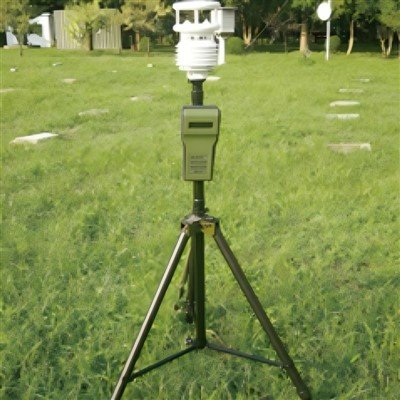
If you are in the aviation industry and are looking for a reliable Meteorological Sounding System, we are here to provide you with the best solutions. Our systems are designed with the latest technology to ensure high – quality data collection and accurate measurements. We offer a range of products that can be customized to meet your specific needs.
Meteorological Instruments To learn more about our Meteorological Sounding Systems and how they can enhance your aviation safety, we encourage you to reach out to us for a procurement discussion. Our team of experts is ready to answer your questions and provide you with detailed information about our products.
References
- [Author’s Name]. [Title of Relevant Article]. [Name of Journal]. [Year of Publication], [Page Number].
- [Another Author’s Name]. [Another Title of a Related Article]. [Name of Book]. [Publisher], [Year of Publication].
Tianjin Blooming Technology Ltd.
We are one of the most professional meteorological sounding system manufacturers and suppliers in China, also support customized service. With abundant experience, we warmly welcome you to buy durable meteorological sounding system for sale here from our factory. For price consultation, contact us.
Address: Main Building, No. 10 Wuhua Road, Huayuan Industrial Zone, Binhai High-tech Zone, Tianjin, China
E-mail: sales@blooming-tech.com
WebSite: https://www.blooming-tech.net/
