Hey there, fellow cue sports lovers! Let’s cut to the chase: if you’ve ever grabbed a pool cue, lined up a shot, and totally zoned out, you know how easy it is to get lost in the game. But here’s the thing that doesn’t get talked about enough for new players and even regulars: billiards safety. I run a billiards supply company, so I’ve spent years talking to venues, casual players, and even competitive leagues about the gear and rules that keep people from getting hurt. Yeah, we sell cues, tables, balls, and all that good stuff, but our number one goal isn’t just getting you to buy equipment—it’s making sure everyone can shoot a game without a trip to the ER. Billiards
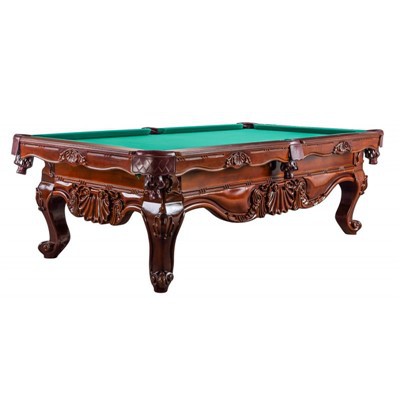
Let’s start with the most basic stuff, but don’t sleep on it: the area around the pool table. I’ve seen so many people lean way too far over the table to line up a shot, swing their cue like a baseball bat, and knock it right into a friend’s face. That’s not just bad etiquette—it’s a safety hazard. First off, clear the “cue zone” around the table. How much space? At least 5 feet on every side. For those of you with a regulation 9-foot table, that means the room’s gotta be big enough to not only stand back but also swing your cue all the way through. No piling up stools, coolers, or beer cans right next to the table—those aren’t just tripping risks, they’re also hard objects if your cue slips. I remember a regular at a local bar we supply once tripped over a cooler and smacked his cue tip right into his knee; he ended up needing stitches, and the bar lost a weekend of games while they fixed the mess. That’s the kind of thing we can avoid with a little space.
Next up: handling the cue stick. New players often grab the shaft wrong, or they don’t check for damage. Let’s keep it simple: your cue’s tip is not a hammer, and the shaft isn’s a sword. Never swing it like a weapon, even if you’re messing around. Also, inspect your cue before every game. Cues chip, warp, or have loose ferrules (that’s the part where the tip meets the shaft). A loose tip can fly off mid-swing and hit someone, or a warped shaft will throw your shot off and make you swing harder than you need to. We sell cue repair kits at our shop, and I always tell people: spend 2 minutes checking your cue before you shoot, not 2 minutes panicking when something goes wrong. Oh, and never leave a cue lying on the floor—someone will trip over it, or it will roll into the table’s legs and get scratched. I’ve seen a $1,000 custom cue turn into a cheap wall hanger because someone left it on the floor. Waste of cash, and a tripping hazard.
What about the table itself? Most players don’t think about this, but the table’s felt and rails can be dangerous if they’re worn out. Old, frayed felt has loose threads that can catch on your cue, yank it out of your hand, and make you lose your balance. Rails that are cracked or have loose bumpers (the soft parts on the rails) can pinch your fingers if you lean on them, or if a ball bounces off wrong. Also, never stand on the table. I know, it’s tempting to reach for a ball that’s rolled under the table, but climbing up on the rails (especially if they’re not reinforced) can make the table tip over, and that’s a whole lot worse than crawling under it. Speaking of balls: billiard balls are heavy—some regulation ones are 6 ounces each. Don’t throw them, don’t use them as coasters (okay, fine, a coaster is okay, but don’t drop it on a foot). A ball dropped from chest height can break a toe, and I’ve heard of cases where a ball hit someone in the head and caused a concussion. Yikes.
Now, let’s talk about group play, because that’s where most accidents happen. If you’re playing with friends or in a league, never stand directly in the line of fire of someone’s shot. That means if a player is about to swing, don’t walk behind them, don’t stand where the ball’s gonna go if they miss. I see this all the time at pool halls: someone’s over by the rail, leaning in to watch, and they’re in the exact spot where the cue ball will bounce off. It’s a quick mistake, but it’s a dangerous one. Also, no roughhousing around the table. Messing around with the cue, shoving a friend while they’re lining up a shot—those are the fastest ways to turn a casual game into a trip to the hospital. We supply a lot of local leagues, and the ones that have the least accidents are the ones where players call out if someone’s in the line of fire. It’s a simple rule: “Heads up!” if you’re about to swing, and everyone listens.
Wait, what about kids? If you have a home pool table, or you run a venue that lets kids play, there are extra rules here. Kids love to run around tables, climb on rails, and swing cues like they’re lightsabers. Make sure they’re using smaller, lightweight cues. A standard adult cue is way too heavy for a kid, and they can’t control it, so it’s way more likely to slip or hit someone. Also, set clear boundaries: no running near the table, no standing on the rails, no grabbing cues unsupervised. We sell junior cues for a reason—safety first, and it helps kids learn good habits early. I talked to a mom last year whose kid almost hit a friend with a standard cue, and she switched to our junior cues, and now she says he’s way more careful with it. That’s the kind of win we love.
Another thing that people overlook: eye safety. Wait, billiards and eye safety? Yeah, it’s not just for baseball. A stray cue tip, a flying billiard ball, or even a piece of felt from a frayed table can hit your eye. I know pool halls don’t usually require goggles, but if you’re playing in a place with a lot of people, or if you’re using a vintage table that has loose parts, it’s a good idea to wear safety glasses. We sell affordable, lightweight safety goggles that don’t look weird—you can even get clear ones that look like regular glasses. I’ve used them myself when I’m setting up tables at a venue, and it gives me peace of mind. No one wants to lose their vision over a game of 8-ball, right?
Let’s circle back to the gear we supply, because that’s what this is all about. We don’t just sell tables and cues—we build them with safety in mind. Our tables have reinforced rails that don’t crack easily, our cues have tight ferrules and durable tips that won’t fly off, and we even stock those safety goggles and cue repair kits. A lot of suppliers cut corners on safety features to save money, but we don’t do that. For example, our pool tables have a level-adjusting system that keeps the felt smooth—no warped tables that cause balls to bounce weirdly, which reduces the chance of a stray shot. That’s the kind of thing that makes a difference, not just for performance, but for safety.
Wait, let’s address the “I’ve been playing for 20 years, I don’t need rules” crowd. I hear that all the time. But even pros make mistakes. I remember watching a pro tournament a few years back where a player’s cue tip came loose, hit the ref’s shoulder, and the ref had to sit out for the rest of the match. No one was being careless, it was just a broken tip. That’s why even experienced players need to check their gear, follow the basic rules, and not get complacent. Complacency is how accidents happen.
Now, let’s talk about common mistakes we see at the venues we supply. A lot of bars and billiards halls don’t have enough space around tables, so players are crammed together, and there’s nowhere to step when someone’s taking a shot. We often work with these venues to rearrange the tables, add more space, and set up clear signs reminding players about the safety zones. It’s not a big renovation—just moving a stool here, a cooler there, and putting up a simple sign that says “Clear Cue Zone: 5ft Around Table.” It reduces accidents by so much. Last year, a bar in Chicago we supply reported zero accidents after we rearranged their tables and added those signs. That’s the impact we’re talking about.
So, what can you do right now, whether you’re a player, a venue owner, or someone thinking about buying a pool table for your home? First, clear the space around your table—no clutter, no tripping hazards. Second, check your gear before every game: inspect your cue, make sure the table’s felt is in good shape, the rails aren’t cracked. Third, be aware of your surroundings—don’t stand in someone’s line of fire, watch out for other people near the table. Fourth, if you have kids, get them a junior cue and set clear rules. And finally, if you’re in the market for billiards gear, choose a supplier that cares about safety as much as they care about quality equipment.
Look, billiards is supposed to be fun, a way to hang out with friends, relax after work, or compete in a league. It’s not supposed to be stressful, and it definitely isn’t supposed to end with someone getting hurt. We’ve been in this business long enough to see the good and the bad—we’ve fixed broken cues, helped venues clean up after small accidents, and worked with players to make their games safer. If you’re a venue owner looking to upgrade your tables or add safety features, or if you’re a player in need of reliable gear that won’t let you down, reach out to us. We’d love to chat about how we can help make your billiards space safer and more enjoyable for everyone.

At the end of the day, safety rules aren’t about ruining the fun—they’re about making sure you can keep playing, keep laughing, and keep enjoying the game without any unnecessary risks. Whether you’re a casual player who plays once a month or a competitive league player who’s at the table every night, those basic safety steps go a long way. So next time you grab your cue, take 2 seconds to check your tip, step back, and make sure you’ve got space. You’ll be glad you did.
Billiards References
- National Recreation and Park Association. Safety Guidelines for Recreational Billiards Facilities.
- Cue Sports Industry Association. Annual Report on Billiards-Related Injuries and Prevention Tips.
- American Poolplayers Association. League Safety Best Practices for Venues and Players.
Shuai Zhanjiang (Dongguan) Co., Ltd.
As one of the leading billiards manufacturers and suppliers in China, we offer a wide range of products with superior quality. Please rest assured to buy billiards made in China here from our factory. We also accept customized orders.
Address: No. 50 Siyuan Road, Changping Town, Dongguan City, Guangdong Province
E-mail: cbibilliard01@gmail.com
WebSite: https://www.cbibilliard.com/
