In the modern world, elevators have become an indispensable part of our daily lives, especially in high – rise buildings. Machine Room Less (MRL) elevators, in particular, have gained significant popularity due to their space – saving design and energy – efficient features. As a supplier of MRL elevators, I often get asked about how these elevators handle power outages. In this blog, I will delve into the mechanisms and solutions that MRL elevators employ to ensure passenger safety and convenience during power disruptions. Machine Room Less Elevators
Understanding the Basics of MRL Elevators
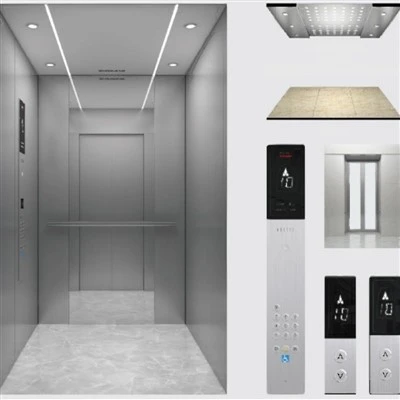
Before we discuss power outage handling, let’s briefly understand the anatomy of MRL elevators. Traditional elevators require a separate machine room to house the control systems, motors, and other equipment. In contrast, MRL elevators integrate these components within the hoistway or the elevator car’s top. This design not only saves space but also reduces construction costs and simplifies installation.
The key components of an MRL elevator include a traction machine, a controller, a counterweight, and safety devices. The traction machine is responsible for moving the elevator car up and down, while the controller manages the elevator’s operation, including speed, direction, and floor stops. The counterweight balances the weight of the elevator car, reducing the energy required for movement.
The Risks of Power Outages in Elevators
Power outages can pose significant risks to elevator passengers. When the power goes out suddenly, the elevator may stop between floors, leaving passengers trapped. In addition to the psychological stress of being confined in a small space, there are also potential safety hazards, such as lack of ventilation and communication. Prolonged entrapment can lead to discomfort, anxiety, and in extreme cases, health problems.
How MRL Elevators are Designed to Handle Power Outages
Emergency Power Supply Systems
One of the primary ways MRL elevators handle power outages is through the use of emergency power supply (EPS) systems. These systems are designed to provide temporary power to the elevator in the event of a main power failure. There are two main types of EPS systems commonly used in MRL elevators:
-
Battery – Powered Systems: Battery – powered EPS systems are the most common type. These systems use rechargeable batteries to store electrical energy. When the main power supply is interrupted, the batteries automatically kick in to provide power to essential elevator functions, such as the control system, lighting, and ventilation. The batteries are typically sized to provide enough power to move the elevator to the nearest floor and open the doors, allowing passengers to exit safely.
-
Generator – Powered Systems: In some cases, especially in larger buildings or where longer – term power backup is required, generator – powered EPS systems are used. These systems consist of a diesel or gasoline generator that is connected to the elevator’s electrical system. When the main power fails, the generator starts automatically and provides power to the elevator. Generator – powered systems can provide continuous power for an extended period, which is useful in areas with frequent or prolonged power outages.
Safety Brakes and Traction Control
Another important safety feature in MRL elevators is the safety brake system. The safety brakes are designed to stop the elevator car quickly and safely in the event of a power outage or other emergency. When the power is lost, the safety brakes engage automatically, preventing the elevator car from free – falling.
In addition to the safety brakes, MRL elevators also use advanced traction control systems. These systems ensure that the elevator car moves smoothly and safely, even when the power supply is unstable. Traction control systems monitor the speed and position of the elevator car and adjust the traction force accordingly.
Communication and Monitoring Systems
During a power outage, it is crucial for passengers inside the elevator to be able to communicate with the outside world. MRL elevators are equipped with communication systems, such as emergency phones or intercoms, that allow passengers to call for help. These communication systems are typically powered by the emergency power supply, ensuring that they remain operational during a power outage.
In addition to communication systems, MRL elevators also use monitoring systems to track the status of the elevator. These systems can detect power outages and other malfunctions and send alerts to the elevator maintenance team. This allows for a quick response in the event of an emergency.
Real – World Examples and Case Studies
Over the years, we have supplied MRL elevators to many different buildings, and we have seen firsthand how these elevators handle power outages. For example, in a high – rise apartment building in a coastal area prone to hurricanes, our MRL elevators with battery – powered EPS systems were able to safely evacuate passengers during a power outage caused by a storm. The elevators automatically moved to the nearest floor and opened the doors, allowing residents to exit the building safely.
In another case, a commercial office building installed our MRL elevators with generator – powered EPS systems. During a planned power outage for maintenance in the area, the elevators continued to operate normally, ensuring that employees could move freely between floors without any disruption.
Maintenance and Testing of Power Outage Handling Systems
To ensure the reliability of the power outage handling systems in MRL elevators, regular maintenance and testing are essential. Maintenance tasks include checking the battery condition, inspecting the generator (if applicable), and testing the safety brakes and communication systems.
We recommend that elevator owners and operators follow the manufacturer’s maintenance schedule and guidelines. In addition, regular training should be provided to elevator maintenance personnel to ensure that they are familiar with the proper operation and maintenance of the power outage handling systems.
Conclusion
In conclusion, MRL elevators are designed with multiple layers of safety and backup systems to handle power outages effectively. Emergency power supply systems, safety brakes, traction control systems, and communication systems work together to ensure the safety and convenience of passengers during power disruptions.
As a supplier of MRL elevators, we are committed to providing high – quality products and services that meet the highest safety standards. Our elevators are designed to withstand various types of power outages and ensure the well – being of passengers.
If you are in the market for MRL elevators or have concerns about power outage handling in your building, I encourage you to contact us. Our team of experts is ready to discuss your specific needs and provide you with the best elevator solutions. We can help you choose the right EPS system, conduct a risk assessment, and ensure that your elevators are compliant with all relevant safety regulations.
Passenger Elevators Let’s work together to create a safe and efficient vertical transportation system for your building.
References
- Otis Elevator Company. (2022). Elevator Safety Handbook.
- Schindler Group. (2021). Technical Documentation on MRL Elevators.
- Kone Corporation. (2020). Power Backup Solutions for Elevators.
Ningbo Dongao Elevator Co., Ltd.
As one of the most experienced machine room less elevators manufacturers and suppliers in China, we also support customized service. We warmly welcome you to buy high quality machine room less elevators for sale here from our factory. For quotation, contact us now.
Address: No. 16 Xiapan Road, Ninghai County, Ningbo City, Zhejiang Province
E-mail: 13777289058@163.com
WebSite: https://www.daelevator.com/
